Cetak 3D Dijelaskan: Bagian 1 – Dari Bahan Baku hingga Inovasi Modern
Bagian Satu: Bahan Baku
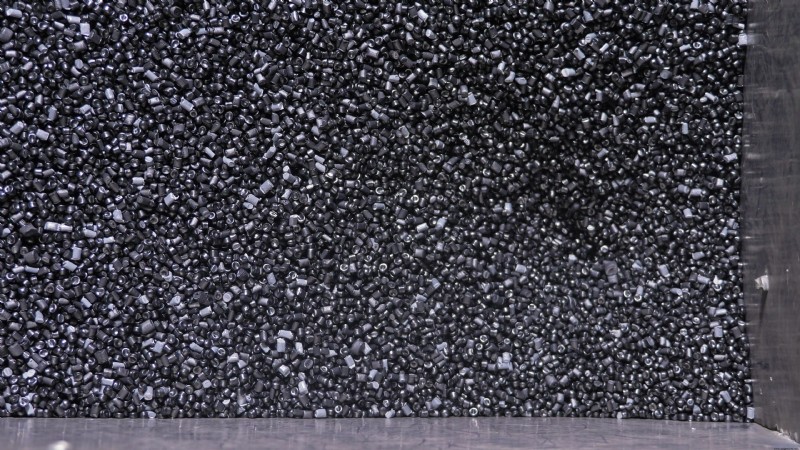
Sedangkan additive manufacturing—lebih dikenal sebagai 3D printing—telah ada selama hampir 40 tahun, masih terasa bagi banyak orang seolah-olah teknologi ini masih dalam infancy. 3D printing technology telah berevolusi lebih dalam 10 tahun terakhir daripada tiga dekade sebelumnya, menjadikannya more viable untuk prototyping dan small production runs dari sebelumnya. Kemajuan ini telah meletakkan additive manufacturing firmly in public eye saat manufacturers menjelajahi latest innovations dan bagaimana mereka mungkin mempercepat production processes.
3D printing materials market diperkirakan tumbuh dari $530.1 million pada 2016 menjadi lebih dari $1.4 billion pada 2021, menurut research dari MarketsandMarkets. Pertumbuhan ini sebagian besar dapat diatribusikan pada expansion dalam options of materials yang digunakan untuk print objects. Meskipun 3D printers awalnya menggunakan limited selection of plastics, newer machines dapat print dengan much broader range of materials.
Challenges Faced by the 3D Printing Material Market
Material yang digunakan dalam 3D printing menentukan efficiency dari printing process dan quality dari final product. Meskipun rapid growth dari additive manufacturing, technology ini harus overcome numerous challenges sebelum bisa become viable alternative terhadap traditional manufacturing dan machining methods. Banyak challenges ini directly related to raw materials, termasuk:
3D printing tidak mendapat manfaat dari economies of scale provided by other manufacturing technologies. Additive manufacturing masih relatively slow dan primarily used untuk prototypes atau very small production runs, yang berarti no large bulk material discounts.
Meskipun types of available materials untuk 3D printing projects telah expanded dramatically selama decade terakhir, selection masih fairly limited. Currently, material choice subject to constraints dari 3D printing technology dan any limitations posed by design.
- Raw material availability
Additive manufacturing raw materials masih can be difficult to source, especially when design calls for rarer substances, such as metals atau ceramics.
Masalah ini should be addressed in near future as aforementioned market growth occurs. As 3D printing becomes more common method untuk manufacturers, material prices will drop exponentially, options akan expand, dan all material types akan become more readily available.
3D Printing Material Market Stakeholders
Successful growth in additive manufacturing akan largely depend on collaboration between various contributors to raw material supply chain. Primary stakeholders meliputi:
- Material suppliers
- Printer manufacturers
- Printing service bureaus
- End users
As each of these participants brings new innovations to market, technology akan continue to advance. Collaboration between each link of supply chain akan enable stakeholders to steer direction of technology dan its growth.
Types of 3D Printing Materials
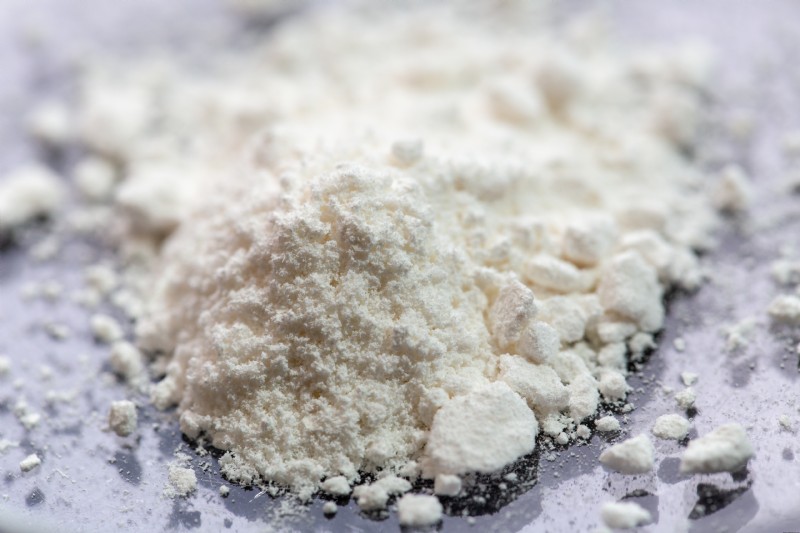
3D printing materials typically come in filaments, powders, atau liquids. The types used include four main categories:
- Plastics
- Photopolymers – epoxies dan hybrids, acrylates, polyamide, nitrile rubber
- Plastic powder – PA, TPU, PEEK, PP, PS
- Plastic filaments – ABS, PLA, PC dan blends, Nylon, polyethylene terephthalate, thermoplastic polyurethane
- Metals
- Aluminum dan alloys
- Stainless steel
- Inconel, cobalt chrome, nickel alloys
- Titanium dan alloys
- Other
- Other
- Sand with binder
- Photosensitive resins
Photopolymers
Photopolymer resins account for leading share of global additive manufacturing materials market dan expected to expand market share in foreseeable future. Photopolymers adalah liquid resins used in Polyjet dan Stereolithography 3D printers dan hardened dan cured through polymerization process dengan help dari UV rays untuk form plastic parts dan prototypes. Photopolymers generally contains several main components termasuk binders, monomers dan photoinitiators. Photoinitiators adalah main components of photopolymer dan transform light energy to chemical energy. Photopolymers are printed untuk create parts of medical, military dan electronics applications.
Plastic Powders
Plastic powders adalah another type of 3D printing material capturing significant market share. Plastic powders such as polyamide, polyether ether ketone (PEEK), dan thermoplastic polyurethane (TPU) are selected untuk weight reduction purposes dalam vehicles untuk boost fuel efficiency dan reduce emissions.
Primary processes untuk print parts with plastic powders involve deposition modeling dan laser sintering in general have quick turnaround time dan relatively cost effective. This drives demand untuk plastic powders, particularly untuk prototype applications.
Polyamide will likely to remain as most used material untuk prototyping applications karena reasonable prices, easy-to-process, dan superior finish. Polyamide adalah one of most popular 3D printing materials used by professional 3D printing companies.
TPU suitable untuk manufacturing parts yang demand high elasticity, thermal dan abrasion resistance, dan high shear strength. PEEK adalah semicrystalline thermoplastic dengan excellent mechanical dan chemical resistance properties that are retained to high temperatures.; however due to its high price, PEEK limited in use untuk most demanding applications only.
Plastic Filaments
Plastic filaments are thermoplastic feedstock untuk fused deposition modeling 3D printers. Plastic filaments offer exceptional strength to parts dan easy to shape. Amongst a large range of material options, ABS dan PLA are by far most common filament materials. Water resistance dan toughness are favorable characteristics of ABS which render it ideal material untuk print functional parts. PLA easy to print dan biodegradable, popular material option untuk print consumer parts. Among one of most expensive materials, wax atau Moldlay adalah material untuk print investment casting patterns. It can be melt away selama shell baking process.
Metals
Metals are typically used untuk print tooling dan prototype parts. Steel is widely adopted dalam automotive, industrial, food processing dan medical applications due to good strength dan durability.. Steel is also most economical among alternatives. Stainless steels such as 316L dan 17-4PH dan maraging steel alloy are common materials within this category.
Other metals untuk 3D processes include aluminum, high-value, non-steel materials such as titanium, Inconel, dan other high-strength alloys. The most common materials in this segment include:
- Aluminum alloys
- Cobalt-chrome alloys
- Nickel-based alloys
- Titanium alloys
The Evolution of Additive Manufacturing
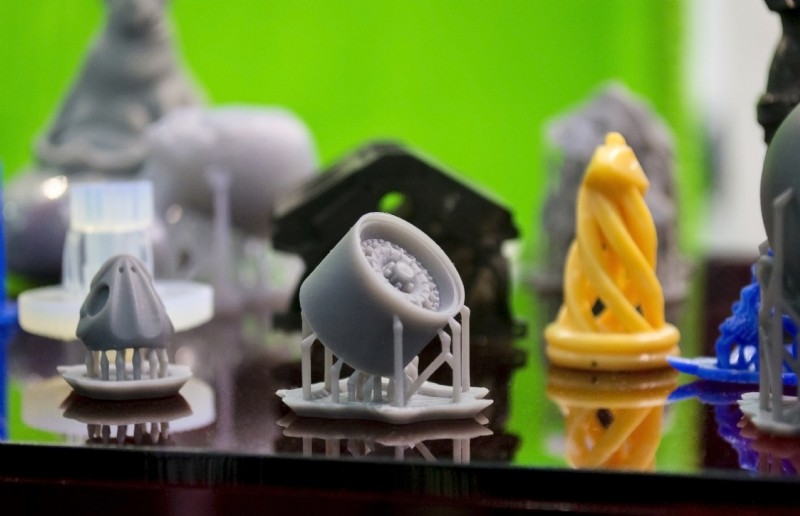
Market forecasts can give us idea of what future holds untuk 3D printing, but best way untuk stay on top of additive manufacturing trends adalah become stakeholder in technology. At Impro, kami offer range of manufacturing services, including sand casting, investment casting dan precision machining, dan kami’re focused on establishing ourselves as enthusiastic player in additive manufacturing.
Untuk menemukan lebih banyak tentang masa depan 3D Printing, stay tuned for Part 2 dari three-part series kami tentang topik ini, yang akan berfokus pada technology itself. Anda juga dapat mengunduh eBook gratis kami— “3D Printing vs. Conventional Manufacturing”— hari ini!



