Menguasai Kebersihan Fluida Hidrolik: Strategi Terbukti untuk Menghilangkan Kontaminasi
Para ahli setuju bahwa lebih dari 75% kegagalan sistem hidrolik secara langsung terkait dengan kontaminasi dalam fluida hidrolik. Dengan angka seperti itu, jelas pentingnya mengurangi kontaminasi fluida hidrolik. Kehilangan efisiensi, downtime, perbaikan mahal, kegagalan katastrofik, dan pembuangan sistem hanyalah beberapa contoh dampak yang dapat diharapkan dari masalah kontaminasi. Efek kontaminasi jelas, tetapi pertanyaan adalah, bagaimana Anda mencegah kontaminasi masuk ke sistem Anda dari awal.
Apa yang Dilakukan Kontaminasi pada Sistem Hidrolik?
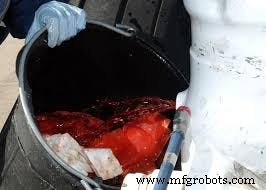
Saat kita berpikir tentang kontaminasi, biasanya kita berpikir tentang kontaminasi partikel. Itu dapat mencakup partikel abrasif seperti pasir, kotoran, atau irisan dan irisan logam. Partikel abrasif akan mencoret bagian yang diproses dengan presisi dalam peralatan Anda, secara signifikan mengurangi efisiensi sambil memulai siklus yang dapat menghancurkan komponen seperti motor dan pompa hidrolik. Partikel non-abrasif juga sangat serius. Masalah umum yang dihasilkan oleh partikel ini termasuk port yang tersumbat dan klep yang macet, yang pada gilirannya dapat menyebabkan masalah dalam mengontrol aliran dan tekanan. Selain itu, semua jenis partikel dalam fluida hidrolik akan meningkatkan probabilitas kavitasi.
Ada juga masalah kontaminasi kelembaban. Kelembaban dapat bereaksi dengan aditif dalam fluida hidrolik dan mengakibatkan reaksi kimia yang problematik. Kehadiran air dalam fluida hidrolik dapat menyebabkan korosi yang dapat menjadi masalah kritis untuk banyak sistem hidrolik. Air dalam fluida hidrolik juga mempengaruhi elastisitas dan performanya. Yang terpenting adalah kavitasi yang timbul saat air terperangkap dalam fluida hidrolik saat mengalami perubahan tekanan.
Kontaminasi juga dapat menyebabkan fluida hidrolik Anda degradasi, yang pada gilirannya mengurangi performanya dan berdampak negatif pada kemampuannya untuk melubrikasi dan melindungi komponen dalam sistem Anda. Masalah seperti korosi akan pasti terjadi, dan lumpur atau silt yang kental dapat terbentuk yang menyebabkan masalah serius. Masalah kontaminasi ini adalah alasan utama untuk mengurangi kontaminasi fluida hidrolik.
Strategi untuk Mengurangi Kontaminasi Fluida Hidrolik

Tidak mungkin, dari segi praktis, untuk sepenuhnya menghilangkan semua kontaminasi dalam sistem hidrolik, tetapi memungkinkan untuk meminimalkan tingkat kontaminasi. Minimisasi tersebut dapat dicapai melalui strategi pengurangan kontaminasi yang dikembangkan dengan hati-hati yang mempertimbangkan kondisi operasi sistem, lingkungannya, dan komponen yang menyusunnya.
Dalam mengembangkan strategi Anda untuk mengurangi kontaminasi fluida hidrolik, Anda akan ingin berfokus pada desain sistem Anda dan memilih target yang baik dan dapat diukur. Selanjutnya, buat daftar tindakan yang akan mendukung mencapai target tersebut. Tindakan tipikal dapat dibagi menjadi kategori seperti pengecualian, kebersihan, filterisasi, dan penyimpanan serta penanganan.
Menecualikan Partikel dan Kelembaban
Menghapus kontaminan setelah telah masuk ke sistem hidrolik dapat mahal dan memakan waktu. Pembuangan sistem yang terkontaminasi juga dapat cukup rumit, dan mungkin melibatkan tidak hanya menambahkan fluida hidrolik segar tetapi juga mengeluarkan fluida lama dari sistem dan menambahkan semua filter baru.
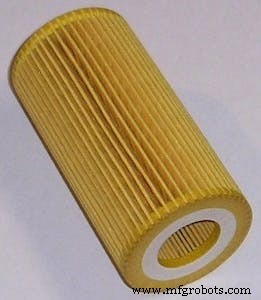
- Filter – Pendekatan terbaik untuk menangani kontaminasi adalah mengecualikannya dari sistem dari awal daripada menghapusnya setelahnya. Mengecualikan kontaminasi dari sistem berarti mencegahnya masuk ke sistem dan bergantung pada filter untuk menangkap kontaminan yang memasuki. Pemahaman yang baik tentang sumber kontaminasi membantu banyak dalam menghentikan atau setidaknya meminimalkannya.
- Built-in Contamination – Built-in contamination is found in new system components and is typically left over from the manufacturing process. Examples of built-in contamination can include sand particles left over from metal casting, slivers of metal that remain after boring holes in a valve block, or a thread from a rag used to wipe down a hydraulic hose connection. It cannot be excluded, but it can be minimized by flushing new components with fresh hydraulic fluid.

- Leaks – When a system is leaking hydraulic fluid, not only can fluid leak out, but contaminants can also make their way in. This is an excellent example of why leaks should be addressed as soon as they are detected. Many of these leaks are the result of failed seals that have reached the end of their service life and need to be replaced.
- Component Failure – If a component such as a pump or motor suffers a catastrophic failure, then very damaging contaminants can spread through the system if not contained by filters. This is why it is so important to change filters when they have lost their usefulness. It is not uncommon for a system to require thorough flushing after a particularly bad failure (e.g., a bearing failure that releases chips and slivers of steel).
- Fresh Hydraulic Fluid – Another source of contamination is fresh hydraulic fluid, which can be contaminated both with particles and moisture. The levels of cleanliness in new hydraulic fluid often do not meet the cleanliness requirements for new equipment. This type of contamination can be excluded by filtering all fresh fluid before it is added to the system.
As previously mentioned, contamination is also introduced during maintenance and repair (e.g., anytime the system is opened up). That type of contamination can be excluded by practicing cleanliness.
Cleanliness in Hydraulic Systems
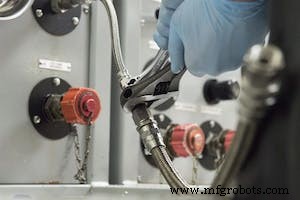
One of the primary ways that contamination makes its way into a system is during repairs and maintenance. A port is opened during a repair, and dust from the workshop atmosphere makes its way inside. Maybe the work surface where the repair is taking place has some abrasive particles left on it from a previous repair. Perhaps the end of a hydraulic hose was dropped on the dirty workshop floor and wasn’t completely wiped clean before it was reattached.
For equipment in the field, problems are even worse. Dirt and sand could fall into the hydraulic tank when new fluid is being added if the machine has not been cleaned first. Maybe a port is left open unnecessarily and moisture condenses inside.
Dirty rags, dusty tools, gritty workbenches, rusty fluid storage containers – all of these can contribute to system contamination. The starting point for preventing and reducing hydraulic fluid contamination is cleanliness. Tools, equipment, and work surfaces must be kept clean, and care must be taken when opening up the system for maintenance and repairs to make sure contamination does not have an opportunity to make its way inside the system.
Filtering All Fresh Hydraulic Fluid
Contamination exclusion should be the highest priority and involves filtering all hydraulic fluid that enters the system and using quality filters to trap particles that do make their way inside.
Fresh hydraulic fluid does contain contaminants. In fact, it is not at all uncommon for new hydraulic fluid to contain particles as large as 5 microns — which exceeds standard cleanliness requirements for modern hydraulic systems. This is why so much emphasis is placed on thoroughly filtering fluids before they are added to the system.
Proper Storage and Handling of Hydraulic Fluid
For fluids to be minimally contaminated, it is vital that they be properly stored, particularly to discourage their greatest enemy – moisture. Here are some tips and guidelines for safely storing hydraulic fluid:
 Periodically ensure that all lids are secure and tight
- Store containers on their sides to prevent water from collecting on top
- Keep the hydraulic fluid stored at a consistent temperature to prevent moisture intrusion through condensation
Hydraulic Fluid Analysis and Measurement
It is critical to schedule regular testing to determine how well targets are being met, and this is accomplished through a rigorous program of fluid analysis and measurement.
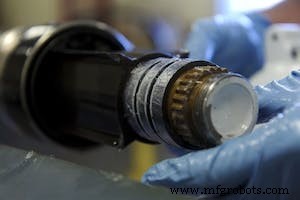
Fluid analysis involves sampling hydraulic fluid at various points in the system and either performing analysis in-house or sending it out to a laboratory. The results of analysis provide a measurement of contamination levels and can not only provide a metric to evaluate the cleanliness of the system but also assist in tracking down the sources of contamination. Once those sources have been identified, exclusion measures can be enacted to further reduce the ingress of contamination.
The Importance of Reducing Hydraulic Fluid Contamination
The best defense against the loss of efficiency and damage caused by contaminated fluid in a hydraulic system is to enact a robust and thorough strategy for reducing hydraulic fluid contamination. Contamination exclusion, cleanliness, filtering, proper storage, and regular analysis are key components of an effective contamination reduction strategy.
Once a good strategy is enacted, the benefits include better efficiency, higher productivity, longer component life, lower repair and maintenance costs, reduced downtime, and significantly better reliability. In short, implementation of a contamination control plan may be the best decision you make for your hydraulic systems and your bottom line.
MAC Hydrolik – Experts at Reducing Hydraulic Fluid Contamination in Your Operations

Contamination does not have to be a problem for your hydraulic equipment. MAC Hydrolik specialists will work with you to develop an effective, quantifiable contamination reduction strategy that supports the needs of your systems and the goals you have for them. Once that plan has been developed, our technicians will implement it.
We have fully equipped service vehicles that will come to your facility and perform maintenance, repairs, testing, fluid analysis, and troubleshooting on your hydraulic equipment. Contact us today to find out more about the services that we offer that can help you minimize contamination and maximize productivity.



