Memahami Core dalam Cetak Pasir: Peran dan Manfaatnya
Basic concept of sand casting process is use of mold to create cast part. Mold contains negative impression of part as molten metal will be poured into it. To create mold, pattern will be used. Pattern helps to design exterior walls of mold. Yet many parts are designed to create complex interiors where there may be spaces where molten metal should not enter.
For example, there may be part with interior hole that will be used to slide part into complex assembly system. Rod will go through hole to hold part into place. To create this area, cores will be used during casting process.
What is a Core?
A core is insert that will be placed into mold. Sand is poured over pattern while being compacted and pressed. Core’s purpose is to direct where molten metal will go to fill cavity in mold. Some cores can be very intricate. They may have interior angles and geometries to create complex holes and passages for molten metal. They may also be solid to create interior cavities, or hollow where core will allow metal to fill other sections.
What are Cores Made From?
Cores will be made from same resin sand used in casting process. Sand is placed into core box that has desired interior pattern for part. Sand will be hammered, heated, atau blown into core box depending on manufacturer’s capabilities and equipment. Then core will be removed from core box and positioned into mold.
Cores can be made using hot box and cold box methods. Hot box method is when resin is added to sand and catalyst is used. Catalyst is activated using heat as core hardens. Cold box method involves using catalyst that does not require heat to be activated as resin and sand hardens to create core.
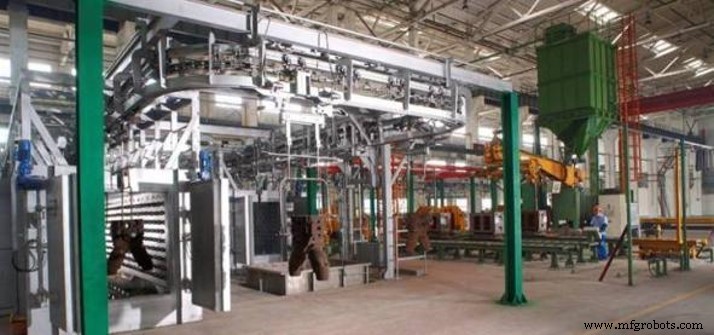
Reason cores are made from same resin sand as mold is because sand can stand up to temperatures of molten metal without damage. Once metal cools, mold will be broken apart. To remove core inside solid metal, machines will perform shake-out process that vibrates part while breaking apart sand. Hole is typically let in mold to allow sand to be shaken and poured out. This hole may be later sealed during finishing process if not desired for finished part.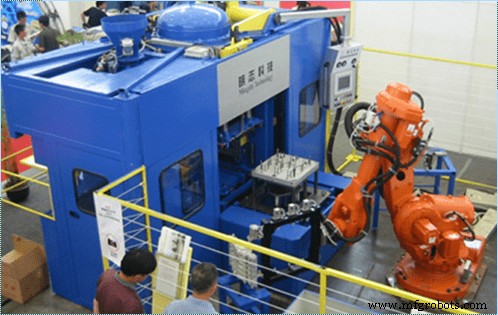
How are Cores Held into Place?
Since core will be inside mold while molten metal is poured into it, it will shift or rise from designated place. Chaplets are made from similar metal that will be used to create cast part. This metal will hold cores in place until metal is poured inside. Chaplets that touch molten metal will become part of actual component when metal cools. Then core will be shaken apart and removed.
Another way to hold core into place is to make core longer than mold itself. These instances are used when space that will not fill with metal will reach past exterior wall of mold. Divots placed into sand mold will hold core in place.
For more information about creating cores for your sand casted parts, contact Impro.



