Panduan Lengkap Pola Cetak Investasi Cetak 3D
Investment casting is cost-effective process for many industries when they are looking for highly accurate metal parts that are made out of wide range of alloys. Typical process to create cast part is to use wax pattern that will be covered in ceramic slurry to form shell. Then shell will be filled with molten metal and cooled to form part.
Creation of wax pattern is typically done by using metal dies as injected wax fills die. Water-soluble or ceramic cores will be in die to make intricate and complex internal parts. However, more industries are looking at 3D printed investment casting for wax patterns as more cost-effective approach.
What are 3D Printed Casting Patterns?
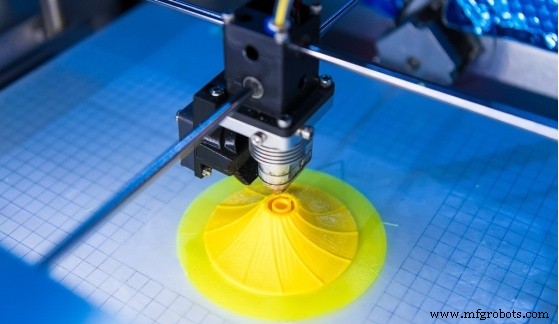
A 3D printer can be used by many industries to create products made from materials such as plastic. However, these machines can 3D print out parts in resin, metal and even food for certain industries. When it comes to investment casting, wax or resin plastic may be chosen depending on manufacturer and their available equipment.
For 3D printing, stereolithography (SLA or SL) process is used. Stereolithography is additive manufacturing technique that takes material and lays it down layer by layer to create pattern. Each layer is cured by using either ultraviolet light atau laser until entire pattern is made. This process is also called vat polymerization.
When pattern is complete and covered in ceramic slurry, wax will be melted out atau resin will be burned out. Any ash that remains will be removed during cleaning process.
Benefits of 3D Printed Patterns
One major benefit is that 3D printed patterns are additive production process that only uses set amount of materials to create pattern. This factor eliminates waste typically created by using subtractive manufacturing methods. Since materials are added in layers, patterns can be designed with highly complex geometries and intricate shapes without impacting overall pattern creation cost.
Another benefit is that 3D printing can be used for patterns needed as prototypes. Prototype pattern can easily be placed into assembly for testing without damaging application. This process can allow customer and manufacturer to create necessary changes at early stage of investment casting process before full production begins.
When to Use 3D Printed Patterns for Investment Casting
Investment casting using 3D printed patterns are usually sought after when customer does not desire or need second machining of cast part. Process usually creates parts that are highly precise and intricate with smooth surfaces. It is also ideal when customer is on tight time-to-part deadline as they do not have to wait for manufacturer to create appropriate tooling for processes.
3D printed patterns offer great benefits when requiring low volume production runs and prototypes. If customer knows there will be changes to design, using 3D printed technology can speed up process with limited amount of material waste.
If you are looking for investment casting processes for your part or component, contact Impro.



